

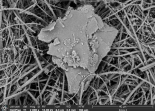
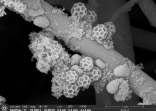
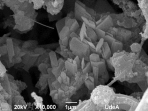
Abstract: The high percentage of population settled in the world’s major cities and the emissions resulting from their rapid urban growth are directly linked to the deterioration of air quality. Exposure to high levels of air pollutants has been associated with adverse health effects, including respiratory and cardiovascular diseases [1]. In Metropolitan Region of Aburrá Valley (MRAV) particulate matter (PM) is considered one of the most important air pollutants. In fact, the environmental authority has established two annual episodes of atmospheric contingency. According to the 2016 emissions inventory, emissions from stationary sources increased by 17.9%, while emissions from mobile sources increased by 82.1% [1]. In addition, this region located in the south- central department of Antioquia, in the Central Cordillera of the Colombian Andes, has unique climatic conditions, with orographic barriers and limited wind circulation that hinder the dispersion of pollutants. This situation highlights the need to carry out a morphological, mineralogical and chemical characterization of this pollutant. To achieve this, PM10 samples (PM below 10 microns) were collected at ten strategic sites in the MRAV. Advanced techniques such as Field Emission Scanning Electron Microscopy (FE-SEM) with Energy Dispersive X-Ray (EDX or EDS) and X-Ray Diffraction (XRD) were employed. Thus providing a deeper understanding of the nature of the contaminant, its behavior in the environment, its impact on health and the associated emission sources. This sampling was carried out during different periods: environmental contingency situations, pyrotechnic events and ordinary days. Hi-Vol PM samplers and Whatman® brand quartz filters were used for sample collection, following the protocols established by the EPA (Environmental Protection Agency). For SEM analysis, sections of approximately 2 cm2 were removed from the filter and coated with a thin layer of gold (Au) by sputtering. A 2θ range between 2-80° was used to ensure the identification of clay components in XRD. Figure 1 shows FE-SEM images illustrating the morphology of the PM collected. In Figure 1a, an irregular morphology is highlighted. The composition of this particle reveals a high content of Al (10.701%), O (38.165%) and Si (27.658%), indicating the presence of an aluminosilicate. The orange circles in Figure 1b show a “football-shaped” morphology associated with brocosomes, a type of biological material. The red arrows show the typical soot morphology. Figure 1C shows a regular prismatic morphology associated with high temperature processes, common in the ceramic and glass industry [2]. XRD results indicated that the minerals present in the atmospheric PM are composed of silicates, carbonates, oxides and sulfates. The presence of multiple mineral particles can have a combined effect on health, acting both additively and synergistically. Characterization derived analyses are essential, as health effects depend on factors such as surface reactivity, chemical composition, and morphological characteristics [3].
Keywords: PM10, PM2.5, FE-SEM, DRX, EDS
Figure 1. SEM and FE-SEM images of atmospheric PM. a) particle rich in Al, Si, O; b) soot (red arrows) and brocosomes (orange circle); c) particles rich in C and Si (green circle)

June 6 @ 11:00
11:00 — 11:15 (15′)
Room 3
Juliana Rojas Villa (University of Antioquia – Colombia)